
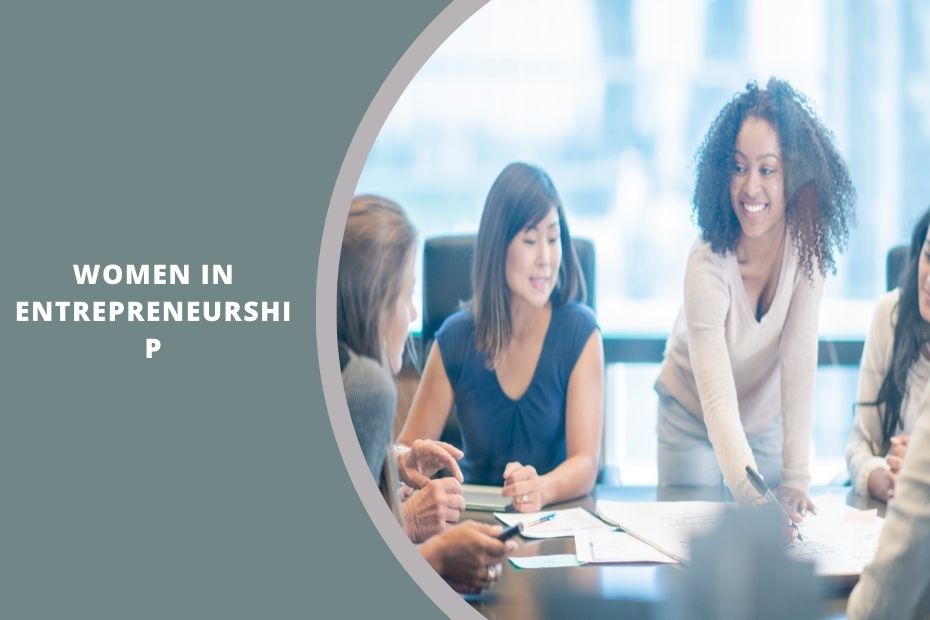
Women entrepreneurs are reshaping the business world with their innovation, resilience, and unique approaches. While their contributions to global economies are increasingly significant, the journey is often fraught with challenges. From securing funding to battling stereotypes, women in entrepreneurship navigate hurdles that demand exceptional determination. As someone who has observed these journeys closely, I can affirm that with the right strategies, support systems, and mindset, women entrepreneurs are not just breaking barriers—they are setting new standards of success.
Access to Funding: A Persistent Challenge
Securing capital is a cornerstone of entrepreneurial success, yet it remains a major challenge for women. Studies consistently show that women receive a disproportionately small share of venture capital. According to recent data, women-led startups receive less than 3% of global venture funding. This gap is not due to a lack of talent or innovation but often stems from systemic biases and a lack of representation in funding circles.
However, the tide is slowly turning. Initiatives such as female-focused venture funds and crowdfunding platforms are providing more opportunities for women entrepreneurs to secure the resources they need. Organizations like SheEO and the Female Founders Fund are creating networks to connect women with investors who recognize the value of diverse leadership.
Gender Biases and Stereotypes in Business
Despite progress, gender biases continue to affect how women entrepreneurs are perceived and treated. Women often face assumptions about their ability to lead or handle high-stress environments, particularly in male-dominated industries such as technology or finance. These biases can manifest in subtle ways, such as being overlooked for partnerships, or more overtly, like facing skepticism during funding pitches.
Addressing these biases requires persistence and strategic action. Women entrepreneurs can combat stereotypes by building strong professional networks, demonstrating consistent results, and confidently articulating their value. More importantly, male allies and diverse hiring practices can play a crucial role in breaking down these barriers and fostering inclusivity in entrepreneurship.
Balancing Work and Personal Life
Balancing the demands of running a business with personal responsibilities is a challenge that disproportionately affects women. Societal expectations often place additional pressure on women to prioritize family obligations, leading to stress and burnout.
While achieving balance is not easy, it is possible with clear priorities and strong support systems. Delegation is a powerful tool—both at work and at home. Entrepreneurs can benefit from building teams they trust and leveraging technology to automate routine tasks. Additionally, creating boundaries between work and personal time ensures that neither aspect suffers unduly. Many women entrepreneurs emphasize the importance of self-care and mental health in sustaining long-term success.
The Importance of Networks and Mentorship
One of the most valuable assets for any entrepreneur is a strong network. Unfortunately, women often find themselves excluded from traditional business networks that are predominantly male. This lack of access can limit opportunities for mentorship, collaboration, and resource sharing.
Women-focused entrepreneurial groups and mentorship programs are bridging this gap. Organizations like Women’s Business Enterprise National Council (WBENC) and Female Entrepreneur Association provide platforms for women to connect, learn, and grow. These networks are invaluable for exchanging ideas, finding mentors, and gaining access to opportunities that may otherwise remain out of reach.
Mentorship, in particular, can be transformative. A mentor provides guidance, shares experiences, and acts as a sounding board for ideas. Women entrepreneurs who seek out mentors often find themselves better equipped to navigate challenges and seize opportunities.
Overcoming Imposter Syndrome
Imposter syndrome—the feeling of being undeserving of success despite evident achievements—affects many women entrepreneurs. This self-doubt can hinder decision-making and prevent women from taking risks or pursuing growth opportunities.
Overcoming imposter syndrome starts with recognizing it for what it is: a psychological barrier, not a reflection of ability. Building self-awareness and celebrating small wins can help women acknowledge their achievements. Seeking validation from trusted peers and mentors also reinforces confidence. Ultimately, understanding that every entrepreneur faces challenges—and that setbacks are part of the journey—helps dismantle the fear of failure.
Strategies for Achieving Success
Success in entrepreneurship requires more than just hard work; it demands strategic planning and adaptability. Here are some actionable strategies that can help women entrepreneurs thrive:
- Focus on Building a Unique Value Proposition: Clearly articulate what sets your business apart. Whether it’s exceptional customer service, innovative products, or ethical practices, your unique value proposition is your strongest asset.
- Leverage Technology: Digital tools can streamline operations, enhance marketing efforts, and provide insights into customer behavior. Staying tech-savvy is an advantage in any industry.
- Pursue Continuous Learning: The business world is ever-changing. Attending workshops, enrolling in courses, and staying informed about industry trends ensure you remain competitive.
- Collaborate and Partner: Strategic partnerships can open new markets and provide additional resources. Collaboration allows entrepreneurs to pool expertise and achieve shared goals.
- Advocate for Yourself: Whether negotiating contracts or pitching to investors, confidence is key. Prepare thoroughly, present your case persuasively, and don’t hesitate to ask for what you deserve.
Key Challenges Faced by Women Entrepreneurs
- Access to funding: Limited representation in venture capital circles.
- Gender biases: Stereotypes that undermine credibility.
- Balancing responsibilities: Managing business and personal life.
- Limited networks: Fewer opportunities for collaboration and mentorship.
- Imposter syndrome: Doubts about personal ability and worthiness.
In Conclusion
Women in entrepreneurship are breaking barriers, challenging norms, and redefining success. While the journey is not without challenges—limited funding, gender biases, and work-life balance—they are navigating these hurdles with resilience and innovation. By leveraging strong networks, adopting effective strategies, and fostering confidence, women entrepreneurs are building businesses that thrive and inspire others. The future of entrepreneurship is brighter with more women leading the way, proving that success knows no gender when driven by passion, vision, and determination.

Vittorio Di Criscio is a tech entrepreneur and investor with over two decades of experience building and scaling online ventures since the dot-com era. He focuses on digital transformation and early-stage technology investments, and is an active philanthropist supporting education, technology, and entrepreneurship while mentoring emerging founders.