
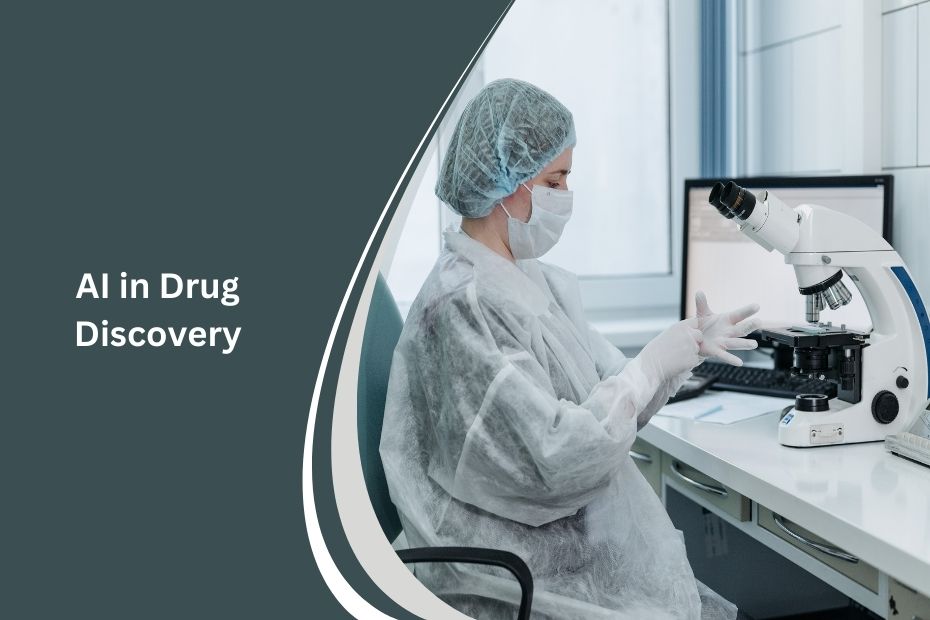
The use of artificial intelligence (AI) in drug discovery is fundamentally reshaping how pharmaceutical companies develop new treatments. Traditionally, discovering and bringing a new drug to market has taken years, even decades, and cost billions of dollars. Machine learning (ML), a subset of AI, offers a way to cut through much of the inefficiency by rapidly analyzing data, identifying potential drug candidates, and predicting outcomes with remarkable accuracy. From expediting early-stage research to improving clinical trial success rates, AI is transforming the entire drug development process.
Accelerating the Drug Discovery Process
Drug discovery starts with identifying compounds that can potentially interact with disease targets, such as proteins. Without AI, this process requires labor-intensive screening and trial-and-error methods. AI changes this by rapidly processing massive datasets, including genetic information, chemical libraries, and biological pathways, to identify compounds with a high likelihood of success. This significantly reduces the time required to move from research to preclinical testing.
For example, AI-driven platforms can sift through millions of molecular structures in a matter of days, something that would take human researchers months or even years. Some leading pharmaceutical companies have already integrated AI tools to prioritize the most promising compounds early in the research phase, helping them move faster toward viable treatments.
Predicting Drug Behavior and Reducing Failures
One of the greatest challenges in drug development is predicting how a drug will behave in the human body. Many potential drugs fail during clinical trials because they either don’t work as intended or cause significant side effects. Machine learning models help mitigate these risks by predicting drug behavior before clinical trials begin.
ML algorithms use historical data from previous clinical trials and known drug interactions to build predictive models. These models can forecast a compound’s bioavailability, toxicity, and effectiveness against specific diseases. By identifying problematic compounds early, AI helps pharmaceutical companies focus resources on the most promising candidates, improving overall success rates and reducing costly late-stage failures.
Enhancing Target Identification
Finding the right biological target is crucial in developing effective treatments. Targets are typically proteins or genes associated with a particular disease. AI excels at identifying these targets by analyzing large genomic and proteomic datasets to uncover patterns and relationships that would be difficult for human researchers to detect.
AI-driven tools can identify new, previously unknown drug targets, opening up possibilities for treating complex diseases such as cancer and neurodegenerative disorders. By improving the accuracy of target identification, AI accelerates the discovery process and increases the likelihood of developing highly effective drugs.
Cost Reduction Through AI Automation
Developing a new drug involves significant costs, from research and development to clinical trials and regulatory approval. AI helps reduce these costs in several ways. First, it automates many routine tasks, such as data collection, analysis, and report generation. This reduces the need for large research teams and speeds up workflows.
Second, AI-driven drug discovery platforms minimize the need for extensive laboratory work by using simulations to predict outcomes. Virtual trials and in silico experiments save both time and money by eliminating some of the traditional wet lab procedures. These savings are particularly important for smaller biotech firms that may not have the resources of large pharmaceutical companies.
Personalized Medicine: Tailoring Treatments with AI
AI is also playing a critical role in the development of personalized medicine. Rather than using a one-size-fits-all approach, personalized medicine involves tailoring treatments to an individual’s genetic profile, lifestyle, and environment. Machine learning algorithms analyze vast amounts of patient data to identify which treatments are likely to be most effective for specific patient groups.
This improves treatment outcomes and reduces the risk of adverse effects. By predicting how different patient populations will respond to a given drug, AI enables pharmaceutical companies to design targeted therapies, especially for conditions like cancer and autoimmune diseases.
Applications of AI in Clinical Trials
Even after a promising drug candidate is identified, the clinical trial phase can be lengthy and expensive. Recruiting suitable participants, monitoring their responses, and collecting data can take years. AI optimizes this process by streamlining participant recruitment, predicting patient dropout rates, and improving data analysis.
Machine learning models help identify the best trial sites and patient demographics for a given drug. They can also predict potential challenges, such as low enrollment or high dropout rates, enabling researchers to adjust their protocols accordingly. By improving efficiency in clinical trials, AI shortens the time it takes to bring new drugs to market.
How AI Improves Drug Discovery
- Faster Development: AI accelerates early-stage research and target identification.
- Better Predictions: Machine learning models forecast drug efficacy and safety.
- Lower Costs: Automation reduces the need for extensive laboratory work.
- Personalized Treatments: AI tailors therapies to individual genetic profiles.
In Conclusion
AI’s role in drug discovery is not just about speeding up the process; it’s about fundamentally changing how we develop new treatments. From identifying promising compounds and predicting drug behavior to reducing costs and enabling personalized medicine, AI offers countless benefits. As machine learning technology continues to evolve, the future of drug development looks brighter than ever. By embracing AI, pharmaceutical companies can innovate faster, improve patient outcomes, and ultimately transform healthcare for the better.

Vittorio Di Criscio is a tech entrepreneur and investor with over two decades of experience building and scaling online ventures since the dot-com era. He focuses on digital transformation and early-stage technology investments, and is an active philanthropist supporting education, technology, and entrepreneurship while mentoring emerging founders.